The Role of an Electrical Project Estimator in Australian Construction Projects
In Australia’s fast-moving construction industry, accuracy in cost planning can make or break a project. From residential builds to large commercial and industrial developments, electrical systems represent a significant portion of total construction costs. This is where an electrical project estimator plays a critical role.
An electrical project estimator ensures that every cable, fitting, labour hour, and compliance requirement is accounted for before construction begins. Their work helps contractors submit competitive tenders, avoid budget overruns, and deliver projects on time.
In this blog, we’ll explain what an electrical project estimator does, why their role is so important in Australian construction projects, and how they add real value across every project stage.
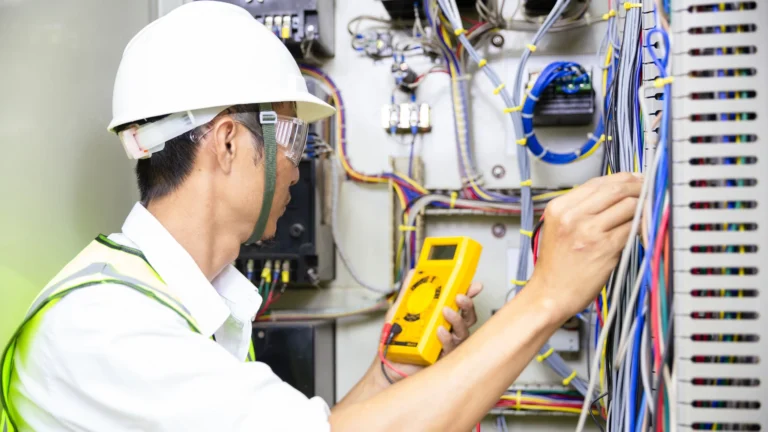
What Is an Electrical Project Estimator?
An electrical project estimator is a specialist responsible for preparing accurate cost estimates and quantity take-offs for electrical works in construction projects. Their job goes beyond simple calculations.
They analyse:
- Electrical drawings and specifications
- Australian standards and compliance requirements
- Material, labour, and equipment costs
- Project timelines and potential risks
The final output is a clear, detailed estimate that helps contractors plan, price, and execute electrical works with confidence.
Why Electrical Estimation Is Crucial in Australian Construction
Australian construction projects must comply with strict regulations, safety standards, and energy-efficiency requirements. Any error in electrical cost estimation can lead to delays, disputes, or financial losses.
An experienced electrical project estimator understands:
- Local building codes and Australian Standards (AS/NZS)
- State-specific compliance requirements
- Market-based pricing for labour and materials
- Project risks caused by scope changes or design gaps
This local knowledge makes their estimates far more reliable and practical.
Key Responsibilities of an Electrical Project Estimator
1. Detailed Quantity Take-Offs
One of the core tasks of an electrical project estimator is preparing accurate quantity take-offs. This includes:
- Cables and wiring
- Switchboards and panels
- Lighting systems
- Power outlets and fixtures
- Fire alarm and data systems
Accurate take-offs prevent under-ordering or over-purchasing materials.
2. Accurate Cost Estimation
The estimator calculates the total cost of electrical works by factoring in:
- Material costs
- Labour hours
- Equipment and tools
- Overheads and margins
This ensures that bids are competitive without risking profit margins.
3. Tender and Bid Support
In Australia’s competitive construction market, winning tenders requires precision. An electrical project estimator prepares estimates that:
- Align with tender requirements
- Clearly define scope and exclusions
- Reduce the risk of underpricing
This gives contractors a strong advantage during the bidding process.
4. Budget Control and Risk Reduction
Cost overruns often occur due to missed items or incorrect assumptions. A professional electrical project estimator:
- Identifies potential risks early
- Highlights unclear scope areas
- Provides contingency planning
This proactive approach helps prevent costly surprises during construction.
5. Supporting Project Planning and Scheduling
Electrical estimates also influence project timelines. By accurately forecasting labour and material needs, estimators help project managers:
- Schedule work efficiently
- Coordinate with other trades
- Avoid delays caused by shortages
Electrical Project Estimator Across Different Project Types
Residential Projects
For houses and apartments, the estimator ensures correct pricing for lighting, power points, safety systems, and smart technologies.
Commercial Projects
In offices, retail spaces, and mixed-use developments, the estimator handles complex systems such as data cabling, emergency lighting, and energy-efficient installations.
Industrial Projects
Industrial projects require precise estimation for heavy-duty electrical systems, machinery connections, and safety compliance, where errors can be extremely costly.
In-House vs Outsourced Electrical Project Estimator
Many Australian contractors now choose to outsource electrical estimating rather than maintain an in-house team.
Outsourcing benefits include:
- Access to experienced specialists
- Faster turnaround times
- Reduced overhead costs
- Scalable support for multiple tenders
An outsourced electrical project estimator allows businesses to focus on execution while ensuring estimating accuracy.
How an Electrical Project Estimator Adds Long-Term Value
Beyond winning bids, a skilled electrical project estimator helps businesses:
- Improve profitability
- Reduce disputes and variations
- Build stronger client trust
- Deliver projects within budget
Over time, this consistency strengthens a contractor’s reputation in the Australian construction market.
Final Thoughts
The role of an electrical project estimator is essential in Australian construction projects of all sizes. From preparing accurate estimates to supporting tender success and controlling project costs, their expertise directly impacts profitability and overall project success.
Whether you are a contractor, builder, or developer, working with a professional electrical project estimator from Estimating Solutions Group can significantly improve your project outcomes, strengthen tender submissions, and reduce financial risk through precise and reliable electrical estimating services.
FAQs
1. What does an electrical project estimator do?
An electrical project estimator prepares detailed cost estimates and quantity take-offs for electrical works, helping contractors plan budgets, submit tenders, and manage costs accurately.
2. Why is an electrical project estimator important in Australia?
Australian construction projects require strict compliance with standards and regulations. An electrical project estimator understands local requirements, ensuring accurate and compliant estimates.
3. Can an electrical project estimator help win more tenders?
Yes. Accurate and well-structured estimates increase tender success rates by ensuring competitive pricing without compromising profit margins.
4. Is it better to outsource an electrical project estimator?
Outsourcing is often cost-effective and provides access to experienced professionals, especially for contractors handling multiple tenders or large-scale projects.
5. Which projects need an electrical project estimator?
Residential, commercial, and industrial construction projects all benefit from an electrical project estimator to avoid errors, control budgets, and reduce risks.