Electrical Estimating for New Home Builds: What Every Builder Needs to Know
Accurate electrical estimating for new home builds is essential for controlling construction costs, avoiding delays, and ensuring every electrical system is planned correctly from the beginning. Builders, developers, and contractors rely on detailed residential electrical estimating to manage budgets, coordinate trades, and prevent costly change orders during construction.
A professional new home electrical estimate typically includes wiring layouts, electrical service panels, lighting installation, appliance circuits, labor costs, permits, inspections, and smart home infrastructure. Whether you are building a standard residential property or a custom luxury home, accurate electrical planning helps improve project efficiency and long-term performance.
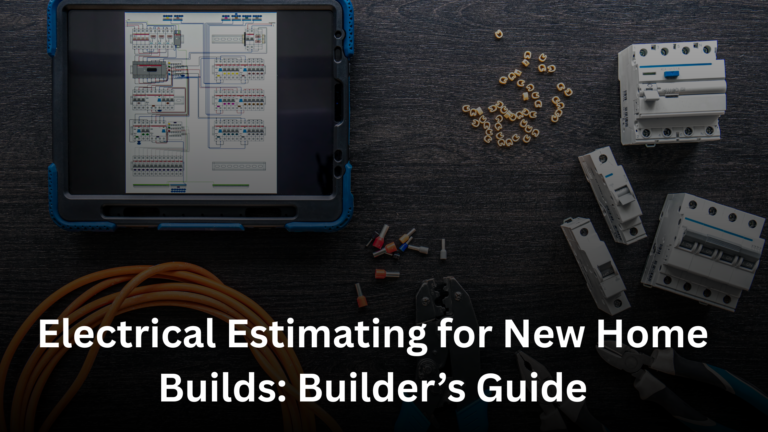
What Is Electrical Estimating in Residential Construction?
Residential electrical estimating is the process of calculating the total cost of electrical work for a new construction project. This includes:
- Material takeoffs
- Labor forecasting
- Electrical rough-in estimates
- Permit and inspection costs
- Electrical code compliance
- Project scheduling
Electrical contractors use detailed plans and specifications to create accurate electrical cost estimates for new construction projects.
Average Electrical Costs for New Home Builds
The cost to wire a new home depends on property size, layout complexity, labor rates, and upgrade requirements.
Home Size | Estimated Electrical Cost |
1,000–1,500 sq ft | $4,000–$8,000 |
2,000–3,000 sq ft | $8,000–$15,000 |
Luxury/custom homes | $20,000+ |
Homes with smart lighting, home automation, EV chargers, or solar-ready systems typically require larger electrical budgets.
What Should Be Included in an Electrical Estimate?
A complete electrical contractor estimate should include all systems required for safe and efficient residential operation.
Electrical Service Panel
- Main panel installation
- Circuit breakers
- Subpanels
- Future expansion capacity
Rough-In Wiring
- Branch circuits
- Outlet and switch placement
- AFCI and GFCI protection
- Code-compliant spacing
Lighting Installation
- Recessed lighting
- Exterior lighting
- Smart lighting systems
- Ceiling fan wiring
HVAC Electrical Connections
- Air conditioning systems
- Heat pumps
- Smart thermostats
- Dedicated HVAC circuits
Kitchen & Appliance Circuits
- Dedicated appliance circuits
- Oven and cooktop wiring
- Refrigerator circuits
- Dishwasher connections
Smart Home & Low-Voltage Wiring
- CAT6 cabling
- Security system wiring
- Wi-Fi access points
- Home automation infrastructure
Backup Power & EV Charging
- Generator preparation
- Solar-ready wiring
- EV charger circuits
- Battery backup systems
Permits & Inspections
- Permit fees
- Utility coordination
- Electrical inspections
- Local code compliance
Factors That Affect Electrical Estimating Costs
Several factors influence new construction electrical costs:
- Home square footage
- Number of rooms
- Ceiling height
- Luxury upgrades
- Material price fluctuations
- Labor availability
- Energy-efficiency requirements
- Smart home integration
Custom homes generally require more detailed electrical planning and higher labor costs.
Common Electrical Estimating Mistakes Builders Make
Builders often face budget overruns due to inaccurate estimating.
Common mistakes include:
- Underestimating labor costs
- Ignoring future electrical upgrades
- Missing permit expenses
- Incomplete electrical takeoffs
- Insufficient panel capacity
- Not planning for smart home systems
Accurate estimating helps avoid delays, rework, and unexpected expenses during construction.
How Builders Can Improve Electrical Budget Accuracy
Builders can improve electrical budgeting by:
- Involving electricians early in the design phase
- Using digital estimating software
- Conducting detailed electrical takeoffs
- Standardizing fixture schedules
- Planning contingency budgets
- Coordinating with subcontractors early
Proper planning reduces change orders and improves project timelines.
New Construction Electrical Estimate Checklist
Before starting construction, builders should confirm:
- Main panel capacity
- Lighting layouts
- Appliance circuit requirements
- Exterior power needs
- Smart home wiring
- EV charger preparation
- Backup power systems
- Permit costs
- Labor allowances
- Inspection scheduling
A detailed checklist ensures nothing is overlooked during the estimating process.
FAQs
How much does electrical work cost for a new home?
Electrical installation costs for new homes typically range from $4,000 to $15,000 depending on home size, features, and system complexity.
What is included in a residential electrical estimate?
A residential electrical estimate usually includes wiring, electrical panels, lighting systems, appliance circuits, labor, permits, inspections, and smart home infrastructure.
How do electricians estimate new construction jobs?
Electricians use electrical takeoffs, floor plans, material pricing, labor calculations, and code requirements to prepare accurate estimates.
Should builders pre-wire for smart home systems?
Yes. Smart home pre-wiring improves future scalability, reduces upgrade costs, and increases property value.
Final Thoughts
Electrical estimating for new home builds plays a critical role in project budgeting, scheduling, and construction efficiency. Accurate residential electrical estimates help builders avoid delays, reduce costly mistakes, and ensure homes are ready for modern electrical demands.
Whether you are planning a custom home or a large residential development, working with experienced electrical estimators can improve cost accuracy and project success from start to finish.
For reliable and accurate residential electrical estimating services, contact Estimating Solutions today. Our team helps builders, contractors, and developers streamline project planning with detailed electrical takeoffs and cost estimates tailored to new home construction projects.